Accra, December 2025
Ghana’s agricultural sector is entering a decisive phase of transformation. Long viewed primarily through the lens of subsistence and food security, agriculture is now positioned at the heart of the country’s economic reset. Supported by the 2026 National Budget and the Agriculture for Economic Transformation Agenda (AETA), agribusiness is being reshaped to drive industrialization, boost exports, and create large-scale employment—particularly for young people.
As policy focus shifts from design to delivery, productivity, value addition, and international competitiveness have become the new benchmarks.
From Food Security to Agro-Industrial Growth
Government strategy has moved decisively toward agro-industrialisation. The flagship 24-Hour Economy programme places processing, logistics, and export-oriented production at the centre of sustained growth.
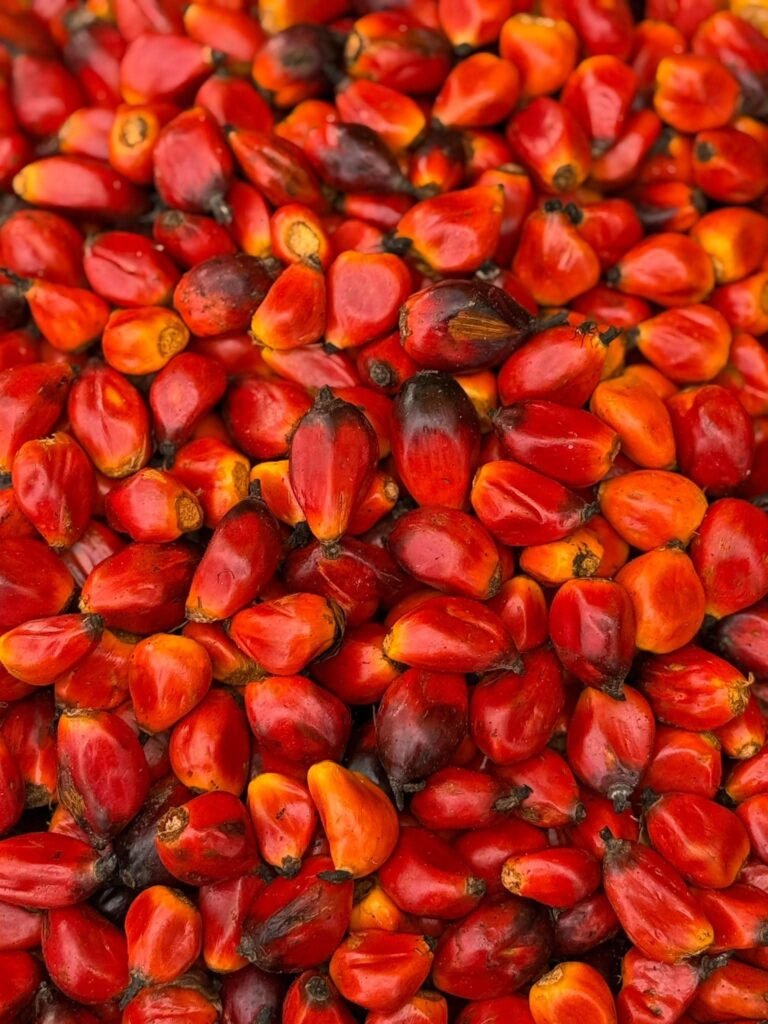
A cornerstone of the 2026 budget is the GH¢6.9 billion Oil Palm Finance Window, targeting the development of approximately 100,000 hectares of new plantations nationwide. Beyond primary production, the initiative aims to scale domestic processing, create over 250,000 direct and indirect jobs, and position Ghana as a regional hub for processed vegetable oils.
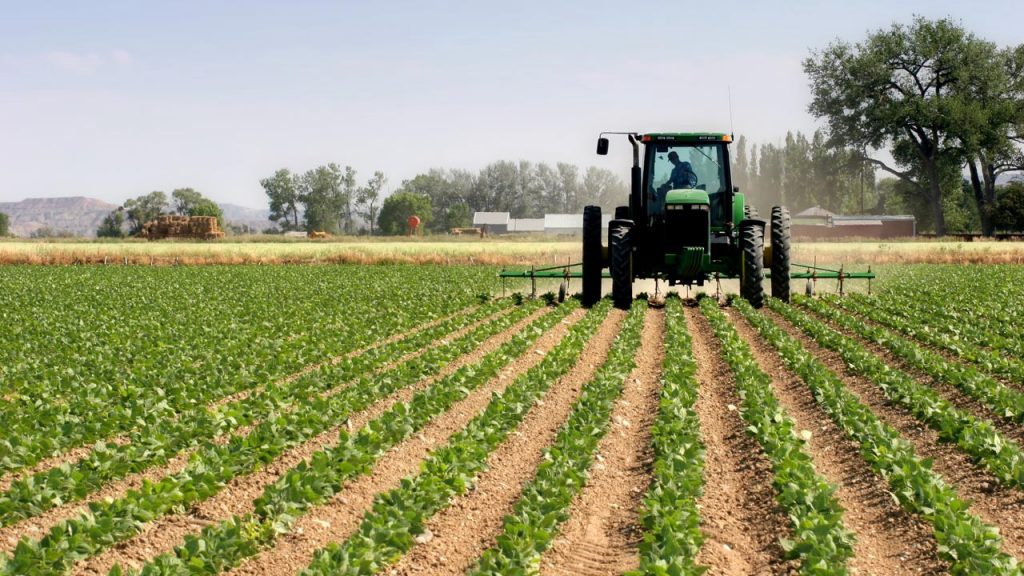
At the same time, the Feed Ghana Programme, implemented under the AETA framework, is reinforcing domestic supply. Strategic crops—including maize, rice, soybeans, and selected vegetables—are benefiting from renewed fertilizer subsidies, mechanisation services, and Farmer Service Centres. The objective is to stabilise food prices and strengthen self-sufficiency in key staples.
EU Engagement: From Aid to Strategic Partnership
The European Union remains a critical partner in Ghana’s agricultural transformation, but the nature of its engagement has evolved. By 2026, EU involvement is increasingly focused on strategic value chains, sustainability, and regulatory alignment, rather than traditional development assistance.
Through the EU–Ghana Agriculture Programme (EU-GAP) and the Global Gateway initiative, the EU is investing more than €140 million in Ghana’s Savannah Ecological Zones. These investments prioritise climate-resilient production systems for crops such as soybeans, shea, and vegetables—supporting livelihoods while enhancing export readiness.
Regulation, Traceability, and Market Access
Regulatory compliance is now central to market access. As of January 2026, the EU Deforestation Regulation (EUDR) will be fully implemented for large-scale operators. To support smallholders, particularly in the cocoa sector, the EU has allocated €2 million for land mapping and traceability systems. This support is critical to maintaining Ghana’s access to the European cocoa market while promoting sustainable land use.
Looking ahead, traceability requirements are expected to extend beyond cocoa. “Green” certification and digital traceability systems are likely to become standard features across a broader range of agricultural exports.
Outlook and Investment Implications
Agricultural growth is projected at 4.5–5 percent in 2026, with stronger momentum expected as oil palm plantations mature and processing capacity expands. Domestically, consumers are seeing increased availability of locally produced rice and poultry products. Internationally, buyers are placing growing emphasis on sustainability, compliance, and proof of origin.
For investors, the opportunity lies increasingly beyond farming. Logistics, cold storage, agro-processing, processing technology, and digital services are set to define the next phase of Ghana’s agribusiness growth.
2026 marks a turning point—where value addition, resilience, and traceability move from policy objectives to commercial imperatives.