A one-day Accra workshop by Eurocham Ghana and the European Union Delegation to Ghana trained 40 agribusiness leaders on EU regulations, sustainability standards, and investment opportunities.
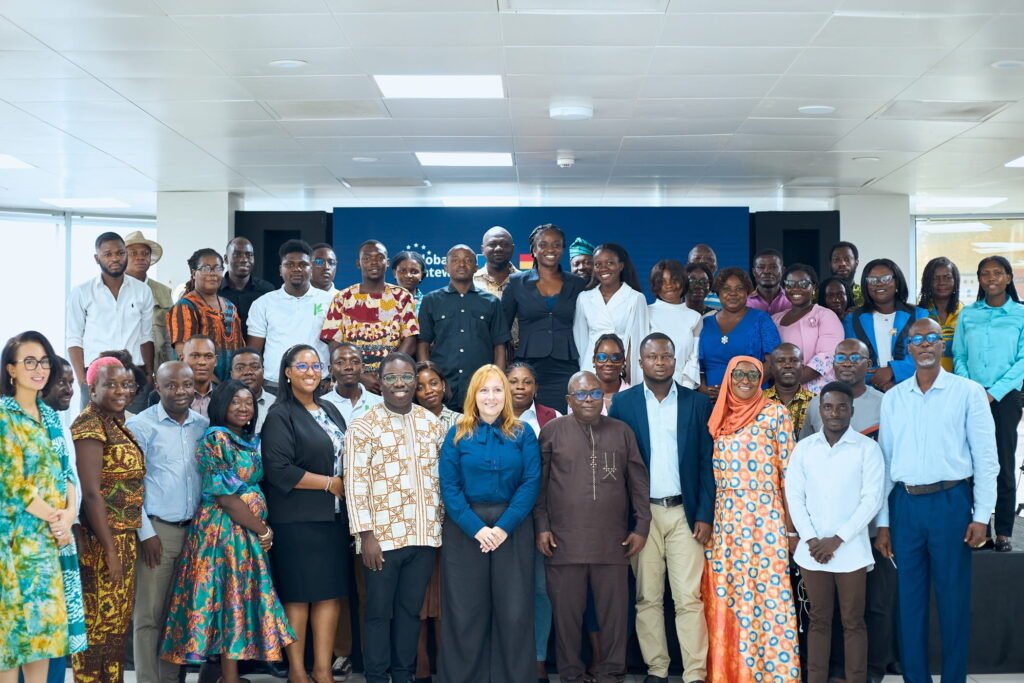
EuroCham Ghana and The European Union Delegation to Ghana successfully hosted a high-impact training workshop with the support of the Ghana Investments Promotion Center on November 26, 2025, aimed at strengthening the capacity of Ghanaian agribusinesses to access and compete effectively in the European market. The workshop, titled “Leveraging EU Trade & Investment Opportunities for Ghana’s Agribusinesses,” brought together farmers, entrepreneurs, processors, and industry stakeholders for a full day of expert-led learning and exchange.
The workshop comes at a crucial time as the European Union (EU) remains one of Ghana’s largest and most strategic trading partners, particularly in agricultural commodities such as cocoa, cashew, horticultural produce, and processed foods. With the rapid introduction of new EU policies—including the EU Green Deal, Deforestation Regulation (EUDR), food safety standards, and market access rules—Ghanaian agribusinesses are increasingly required to meet international standards to remain competitive.
Aligned with national development initiatives such as Grow 24, the Investment Opportunities Mapping Project, and the Government of Ghana’s 24-Hour Economy Policy, the workshop provided insights to help local agribusinesses position themselves for export growth and European investment attraction.
The training aimed to provide participants with the practical skills and updated knowledge needed to enhance their export competitiveness, comply with EU regulatory and sustainability requirements, identify market entry strategies, attract potential European investors and recognise partnership opportunities within the EU market.
By the end of the workshop, participants had gained a deeper understanding of EU trade policies and clearer steps for compliance, as well as actionable strategies to help them expand their agribusiness operations into Europe.
The programme began with a welcoming speech and opening remarks by Mr. Michael Acheampong- Deputy Director, Research and International Cooperation – GIPC and Ms. Malgorzata Pitura – Program Manager Private Sector Development and Trade – EU Delegation to Ghana respectively. Participants were given an overview of Ghana–EU trade relations and the growing opportunities within the EU market for value-added agribusiness products.
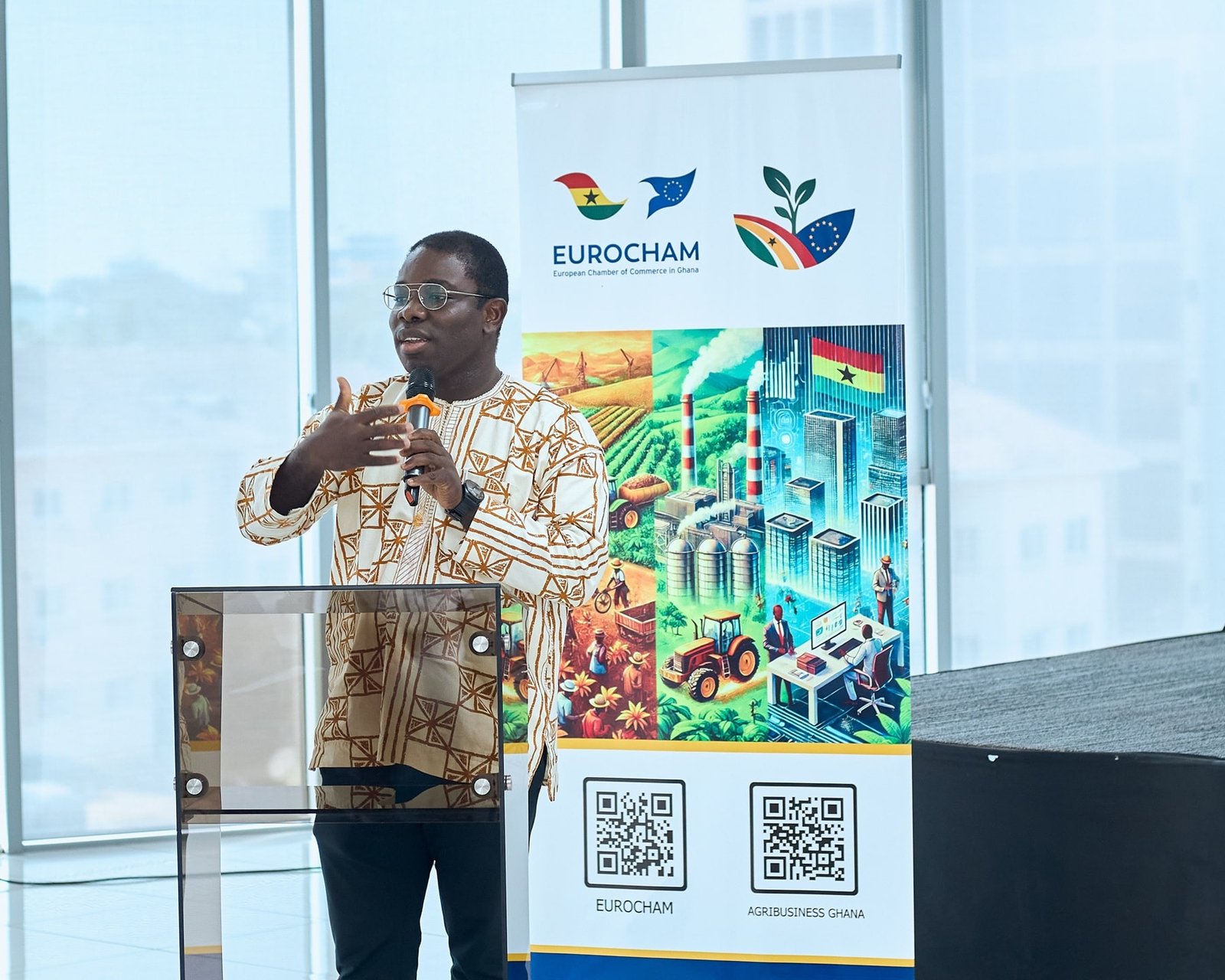
The first session of the training program was held by Mr. Kenneth Nii Addy, an industry expert and registered trainer. This session covered key EU trade policies affecting Ghanaian agribusinesses, compliance requirements for market entry and understanding the EU standards. He also discussed practical steps to meet EU regulatory expectations
The second session, led by Dr. Kwabena Obiri Yeboah, focused on strategies for successful entry into EU markets, sustainability and traceability considerations, investment opportunities and partnership models and case studies of Ghanaian agribusinesses thriving in the EU market. The participants engaged in Q&A discussions, scenario analyses, and shared experiences on navigating international market challenges.
The workshop concluded with contributions from Mr Kwame Oppong-Ntim, the Director of Agribusiness at Ministry of Trade Agribusiness and Industry, and Md. Abigail Agyekum Afoakwa, from the Food and Drugs Authority before closing remarks delivered by Md. Malgorzata Pitura. Representing the Director General of the Ghana Standards Authority was Mr. Godwin Andinaan. A networking lunch provided additional space for collaboration and the building of new business relationships.
The workshop marks an important step in elevating Ghana’s agribusiness sector to international standards and unlocking new opportunities in the European market. Through improved knowledge, stronger networks, and enhanced capacity, Ghanaian exporters are better placed to leverage EU trade and investment prospects for sustained growth.